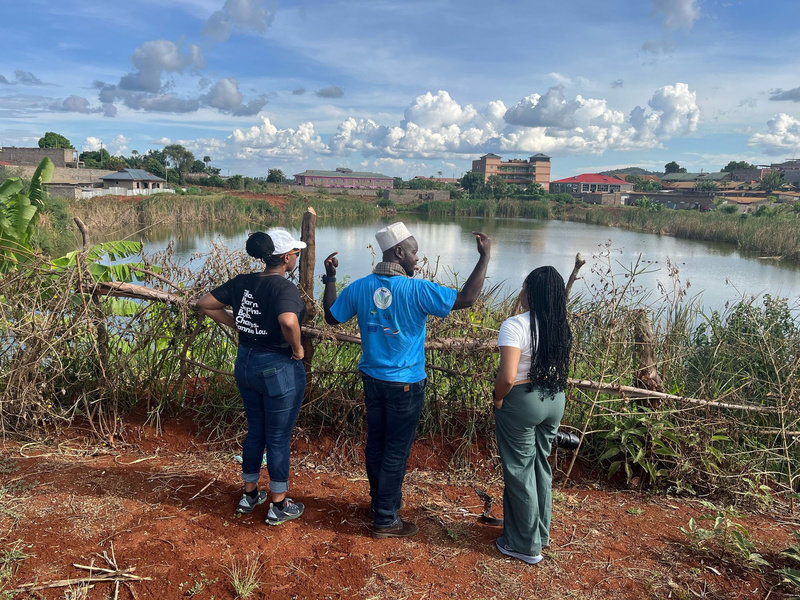
The Dallas ASILI project is pioneering the implementation of Green Infrastructure (GI) and Nature-Based Solutions (NbS) within the informal settlement of Dallas in Embu, Kenya. Spearheaded by the local community and supported by Embu County Government, the Covenant of Mayors in Sub-Saharan Africa (CoMSSA), GIZ, and SwedBio, this initiative explores new terrain in the Kenyan urban context by integrating sustainable infrastructure to tackle climate change and rapid urbanization.
context
Dallas, a densely populated informal settlement, contends with severe infrastructural deficits, chronic flooding, and escalating environmental degradation. While green infrastructure plans are globally recognized, their application within the Kenyan context, and particularly in informal settlements, is novel and untested, presenting a unique set of challenges and opportunities.
process
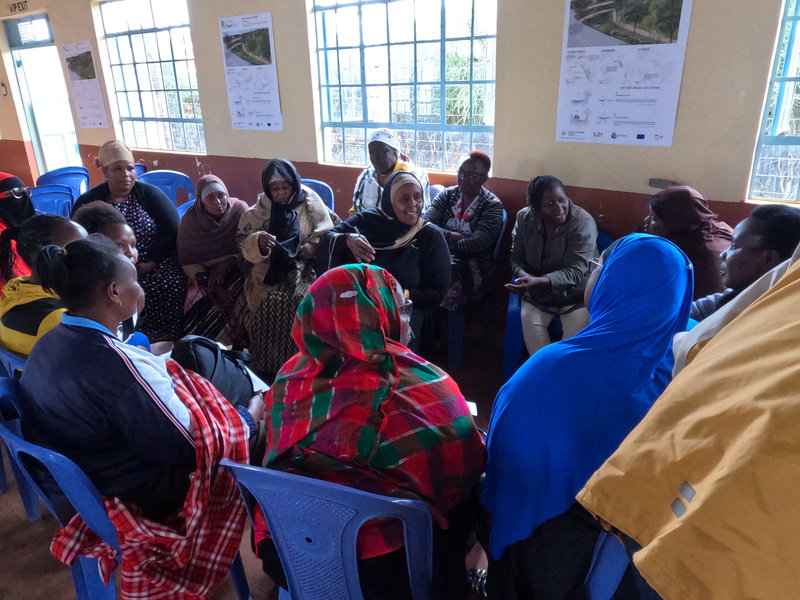
The project was catalyzed through an extensive participatory process, ensuring community members were key decision-makers. This began with a series of visioning workshops where residents articulated their needs and explored potential nature-based solutions, resulting in the collaborative development of a Green Infrastructure Plan. This plan marks a significant step forward in local urban planning, tailored to the specific ecological and social fabric of Dallas.
solution
At the heart of the Dallas ASILI initiative is its innovative approach to urban development, employing green infrastructure and NbS to enhance environmental resilience and community well-being. This includes establishing green spaces, improving stormwater management, and integrating ecological features that are responsive to the local environment and community needs. The project not only introduces sustainable urban solutions but also serves as a test bed for similar approaches in other informal settlements globally.
impact
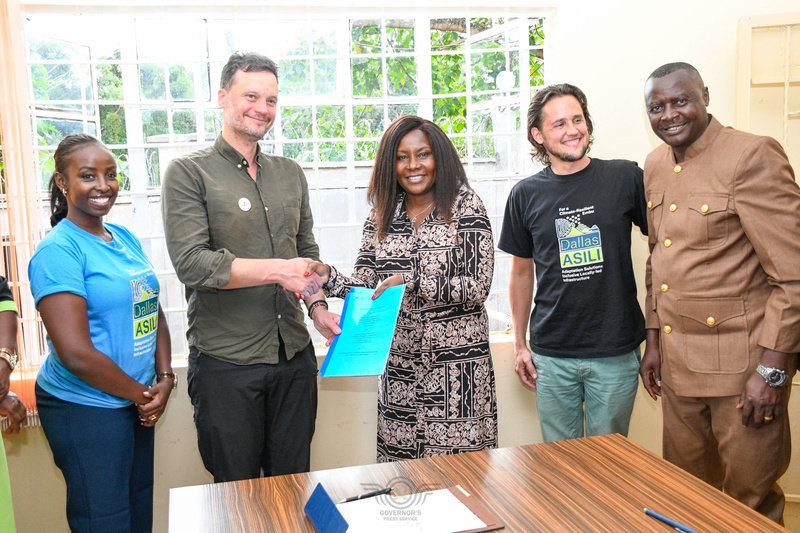
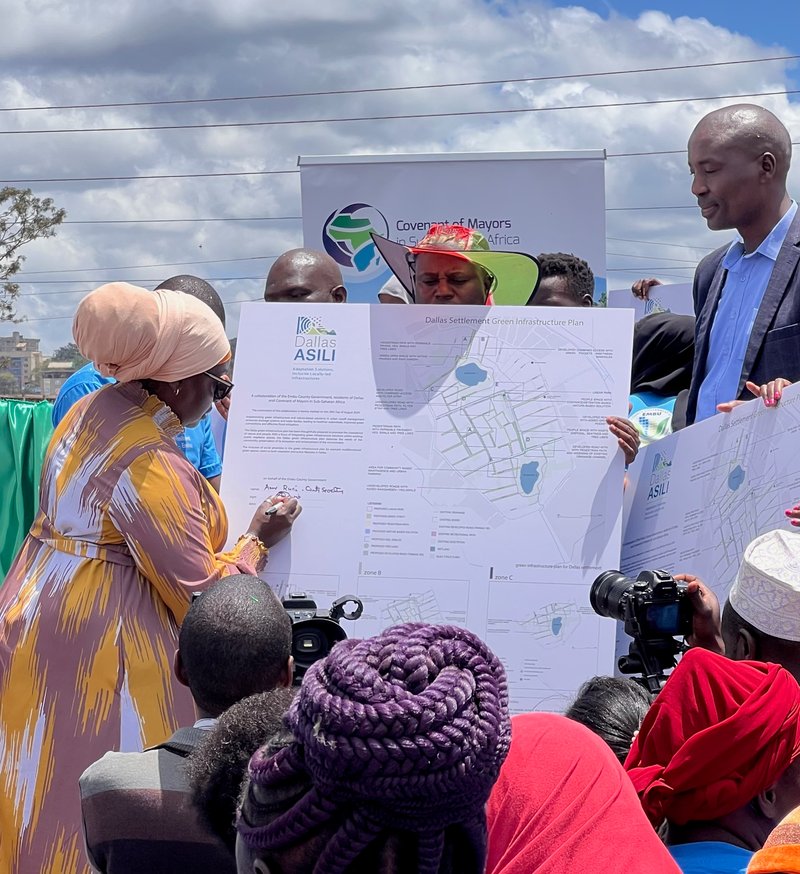
The adoption of the Green Infrastructure Plan by the Embu County Government is a groundbreaking achievement, setting a precedent for other counties in Kenya and beyond. The project’s forward-thinking approach was recognized with the Water as Leverage Award at the World Urban Forum in 2024, underscoring its significance as a model for integrating community-led, nature-based planning in urban development. As construction progresses, the pilot sites are anticipated to demonstrate substantial environmental and social benefits, including reduced flood risks and enhanced public spaces, contributing to a sustainable and resilient future for the Dallas community.
Through Dallas ASILI, Embu is charting a course for innovative, sustainable urban development that respects and utilizes natural systems, providing a replicable model for other regions facing similar urban challenges.