Harmonising of Adaptation, Knowledge, and Inclusion (HAKI) - Dunga explores how community-led adaptation can strengthen resilience in the Dunga Wetland, a vital socio-ecological system at the edge of Kisumu city and Lake Victoria. The project investigates how governance structures, resource conflicts, and power dynamics shape adaptation efforts in the wetland, which sustains local livelihoods through fishing, papyrus harvesting, eco-tourism, and cultural heritage. By combining indigenous knowledge with technical expertise, HAKI -Dunga seeks to co-produce solutions that balance biodiversity conservation, livelihood security, and climate resilience.
context
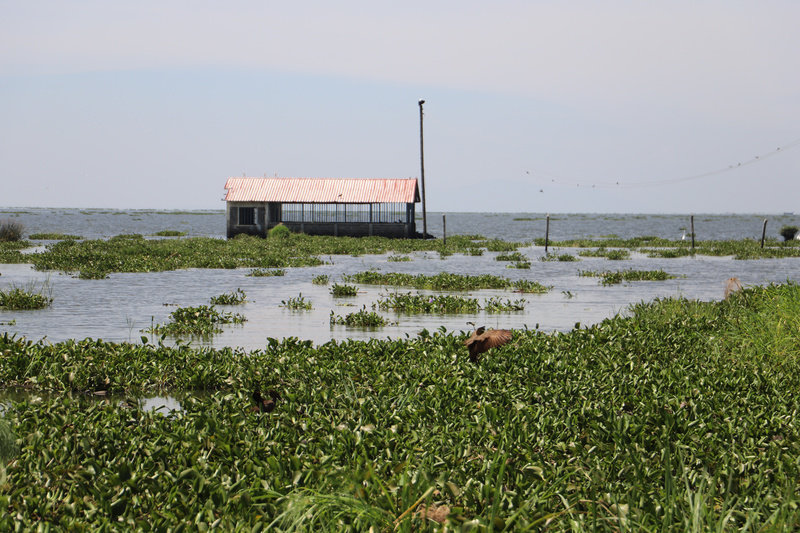
Dunga Wetland is both an ecological treasure and a contested urban frontier. It is home to threatened species such as the Sitatunga antelope and papyrus-endemic birds, while supporting thousands of residents through fishing, tourism, and craft-making. Yet it faces mounting threats: encroachment from informal settlements and private developments, unregulated papyrus harvesting, pollution, and flooding exacerbated by climate change. Governance is fragmented, with overlapping mandates across local government, national agencies, CBOs, and private actors.
Marginalized groups, including women, youth, indigenous communities, and persons with disabilities, bear the brunt of these challenges, but their participation in decision-making remains limited. With livelihoods and biodiversity at risk, there is an urgent need for inclusive governance and negotiated pathways that reconcile people and nature interactions for sustainable management of the wetland.
process
HAKI-Dunga adopts a participatory action research approach through three interlinked phases that seek to integrate local knowledge with technical expertise, creating entry points for policy dialogue and institutional change.
Contextual Inquiry: Rapid ethnographic studies, actor mapping, and political ecology analysis to understand governance structures, power plays, and climate vulnerabilities in Dunga.
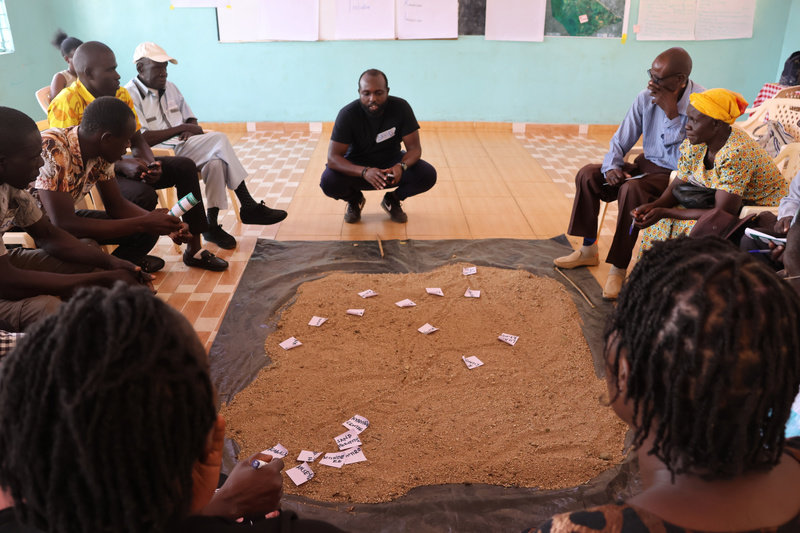
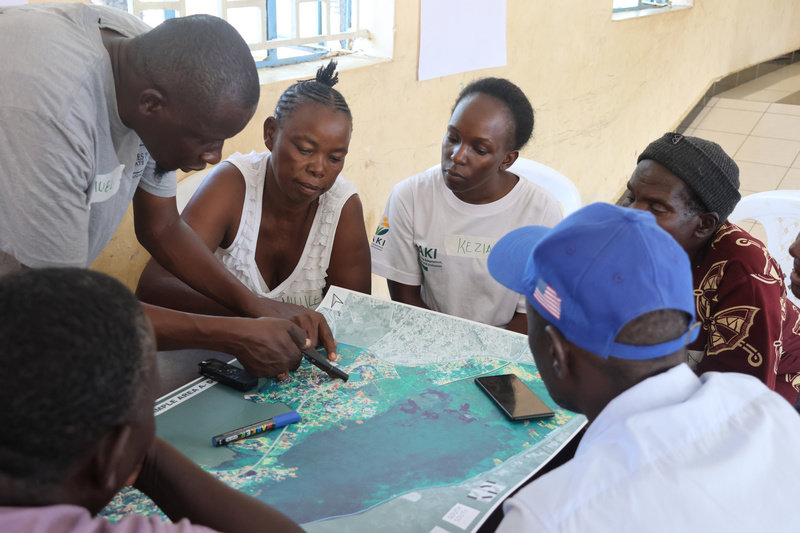
Participatory Mapping & Dialogue: Stakeholder and counter-mapping workshops that bring together government, communities, and civil society to identify “hot issues” and negotiate shared priorities.
Lab-type Interventions: Testing inclusive, community-led adaptation initiatives such as wetland zoning, eco-friendly livelihood pilots, and co-produced sub-catchment management plans.
solution
The project aims to strengthen climate and livelihood resilience by promoting inclusive and integrated urban governance structures that recognize and support the participation of marginalized groups—such as indigenous communities, informal residents, women, and youth—in the biodiversity conservation and adaptation planning of the Dunga wetland.
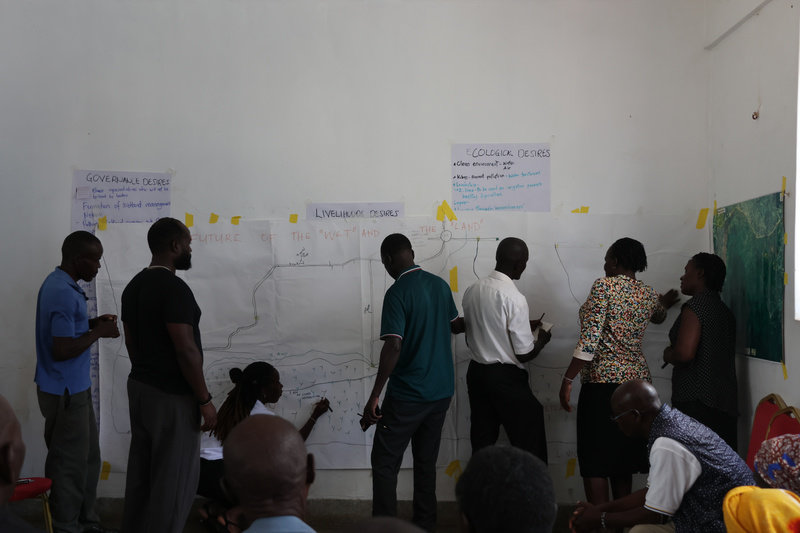
Community Dialogues and Visioning were grounded in both ecological realities and lived practices.
Institutional Engagement and Policy Alignment focused on existing development and management plans.
impact
Urban-Dunga bridges gaps between policy, science, and community practice. Its impacts are multi-layered:
Inclusive Participation: Marginalized groups gain voice and visibility in wetland governance.
Policy Influence: County and city management plans are shaped by community visions.
Equitable Resource Use: Negotiated people–nature boundaries reduce conflict over land and resources.
Resilient Livelihoods: Biodiversity conservation is paired with eco-friendly livelihood opportunities.